
Why School Furniture Orders Go Wrong and How to Make Sure Yours Does Not
Posted by Today's Classroom Team on 30th Jul 2026

If you are handling a school furniture order, the actual purchase is usually the straightforward part. What causes the delays is everything around it.
What we see more often is not districts choosing the wrong furniture. It is room planning, delivery coordination, installation timing, and procurement steps getting handled separately until the project starts slipping.
Does anyone actually plan the room before the furniture ships?
Almost never, and that is usually where the project starts going sideways.
The sequence most districts follow: identify a budget, find a catalog, pick products, place the order. Room planning comes after, if at all. Then the furniture arrives, and then the school starts working out the layout after delivery.
What they discover is that 28 desks technically fit the room but leave no clear path from the door to the board. Or that a science lab bench sits two inches off the gas drop and the plumber has to come back after installation.
By that point, the school is dealing with construction work, schedule delays, or inspection issues instead of a furniture problem.
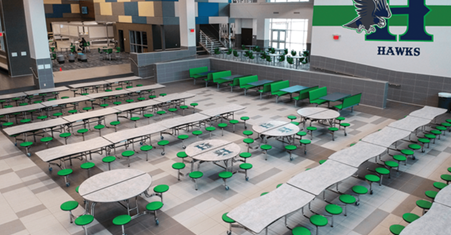
The Project Team at Today's Classroom produces a scaled floor plan showing furniture positioned for traffic flow and ADA clearance before anything ships. For science labs, every bench position is aligned to the utility layout. For cafeterias, the layout gets checked against aisle clearance and inspection requirements before anything ships. A single-room layout takes two to three business days. No charge, no obligation to buy.
Plan the room before the purchase order goes out. A layout that takes two days now prevents a plumber visit that takes six weeks to fix.
Start Your Free Room PlanIs the furniture matched to what the room actually does every day?
Most schools start with grade level when they search for new furniture. What matters more is how the room actually functions during the day.
- ●In some classrooms, teachers regroup school desks several times a day. Two seventh-grade classrooms can need completely different furniture depending on how teachers actually run the room.
- ●Cafeteria tables rated for single-operator daily repositioning cost more than tables rated for occasional use. A cafeteria that doubles as an assembly space needs clearing twice a week. A table requiring two people to move stops being cleared within a month.
- ●Science lab furniture runs into the same issue. A surface that works fine for general classroom use may fail quickly in rooms using chemicals, heat, or heavy equipment every day.
- ●Classroom storage cabinets ordered at standard adult height mean children cannot reach anything independently. The teacher operates the storage. Children stop using the storage on their own, so teachers end up managing everything themselves.
Is the order timed for how school buildings actually receive deliveries?
Most furniture arrives in August. Most school buildings are not actually ready to receive it in August.
The loading dock has product from last year's renovation. Three classrooms are being painted. The custodial team is down two people. The driver leaves the pallet at the dock, and the furniture sits for days in conditions it was not designed for. By the time anyone moves it, something is damaged, and the carrier's window for reporting damage has closed.
Working backward from the first day of school is the only way to avoid this.
| Room Type | Standard Lead Time | Custom Lead Time | Order Deadline for September |
|---|---|---|---|
| Standard classroom furniture | 5 to 10 business days | 2 to 4 weeks | Mid-August |
| Cafeteria packages | 3 to 4 weeks | 4 to 6 weeks | Late July |
| Science lab casework | 6 to 8 weeks | 10 to 14 weeks | June 1 |
| Early childhood packages | 2 to 3 weeks | 4 to 6 weeks | Late July |
| Standing and height-adjustable desks | 1 to 2 weeks (Quick Ship) | 3 to 5 weeks | Early August |
Science lab timelines are where districts get into real trouble. A district that approves a lab renovation in July and expects it furnished by September is going to open an empty lab. Sheldon Labs custom installations run 10 to 14 weeks with no exceptions. There is no expediting custom casework.
Quick Ship items at Today's Classroom ship within five business days year-round. That solves a late classroom furniture order. It does not solve a late science lab order.
Will the procurement path hold up the timeline?
A facilities director who has done everything right sends the order through standard district purchasing. Six to twelve weeks pass before anything ships.
Districts above a certain threshold require competitive bidding. A cafeteria package at $70,000 triggers that requirement in almost every district. The bid process adds time, creates paperwork, and rarely produces better pricing than what cooperative contracts already offer.
TIPS, NCPA, and PEPPM cooperative contracts allow districts to purchase at pre-negotiated pricing without issuing a separate competitive bid. The competitive process was run at the contract level when the contract was established. A school purchase order is all that is required at the time of purchase. Today's Classroom is an authorized vendor on all three. The co-ops and contracts page has the details by state.
ESSER funding works through the same contract vehicles. Schools spending remaining ESSER allocations on furniture can move through cooperative contracts without additional approval layers in most states.
What is actually included in the number on the quote?
The quote covers the furniture. Receiving it, moving it, assembling it, installing it, and disposing of old products are separate decisions with separate costs.
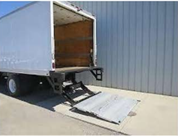
Delivery to the loading dock is standard. Getting furniture from the dock to a third-floor classroom is a separate service entirely. Some deliveries stop at curb level. Others bring the shipment inside the building. Neither includes assembly, installation, or removing old furniture afterward.
Old furniture disposal is a cost almost nobody puts in the original budget, especially on larger classroom or cafeteria replacements.
Large orders can arrive in five to ten separate shipments. Who is receiving, unloading, and inspecting all of them? Where is product being stored prior to assembly? Who is unboxing, assembling, and taking away the trash? If your fallback plan is the teachers, reconsider.
American Commercial Furniture, 10 Budget Planning Questions for School Furniture
Call 877-909-9910 before the quote is finalized and ask specifically what is and is not included. The answer changes what the purchase order needs to cover.
Frequently asked questions
Can a school purchase furniture without a competitive bid?
Yes, through a cooperative contract. TIPS, NCPA, and PEPPM all allow purchases at pre-negotiated pricing without a separate bid. A school purchase order is all that is required. The co-ops and contracts page has contract details by state.
What does the Project Team actually do?
The Project Team delivers a scaled floor plan, a 3D rendering, and a product list matched to the room's actual use pattern. For science labs, bench positions are confirmed against utility drops before anything ships. Single-room layouts are ready in two to three business days at no cost.
Which furniture takes the longest to arrive?
Science lab casework. Custom casework from Diversified Spaces runs 6 to 8 weeks; Sheldon Labs runs 10 to 14. For a September 1 opening, science lab orders need to be placed by June 1. Every other room type can be ordered closer to August on standard configurations.
What happens when furniture arrives damaged?
Inspect everything before signing the delivery receipt. Damage noted on the receipt is straightforward to claim. A signed receipt without noted damage closes the window immediately. Carriers typically allow 48 to 72 hours for visible damage and a separate window for concealed damage discovered during unpacking.
Can ESSER funds be used to purchase school furniture?
Yes. Many districts still use remaining ESSER allocations through cooperative purchasing contracts. Call 877-909-9910 to check eligibility and contract options.
Related guides
- ●Are school furniture packages worth it. When a pre-configured room bundle saves money versus ordering piece by piece, and when it costs more than building the order yourself.
- ●How to choose classroom desks for schools. The cost-per-year calculation that explains why the cheapest desk on the quote is usually the most expensive one in a fifteen-year budget.
- ●How to choose classroom storage for schools. Why expensive cabinets get ignored by teachers and how to specify storage that actually gets used.
- ●Standing desks for schools. Which grade levels benefit, which waste the budget, and what K-12 durability specs actually look like after three years of daily use.
Planning a Furniture Order for Your District?
Send us your rooms, timeline, and procurement path. We will map the layout, confirm lead times, and route the order through the right cooperative contract before anything ships.