How to Choose the Best Preschool Chairs for Daycares, Preschools & Early Learning Classrooms
Selecting the right preschool chairs is an important part of creating a comfortable, safe, and engaging learning environment. Young children spend a significant portion of their day seated for learning activities, crafts, meals, and group instruction, making proper seating essential for both comfort and development.
Whether you're furnishing a daycare, preschool classroom, early childhood center, Montessori environment, or childcare facility, choosing age-appropriate seating helps support healthy posture, independence, and active learning.
This guide will help you compare preschool chair sizes, materials, styles, colors, and leg options to find the best seating solution for your students.

What to Consider When Buying Preschool Chairs
Before purchasing preschool seating, consider:
- Student age range
- Student height and size
- Classroom table height
- Storage requirements
- Durability needs
- Cleaning and maintenance
- Classroom design and color scheme
- Daily usage levels
Because young children grow quickly, selecting the correct chair size is one of the most important decisions you'll make.
Preschool Chair Seat Height Guide
When shopping for preschool chairs, it's important to understand the difference between overall chair height and seat height.
Chair Height
The overall chair height is measured from the floor to the top of the chair back.
Seat Height
Seat height is measured from the floor to the top of the seat surface.
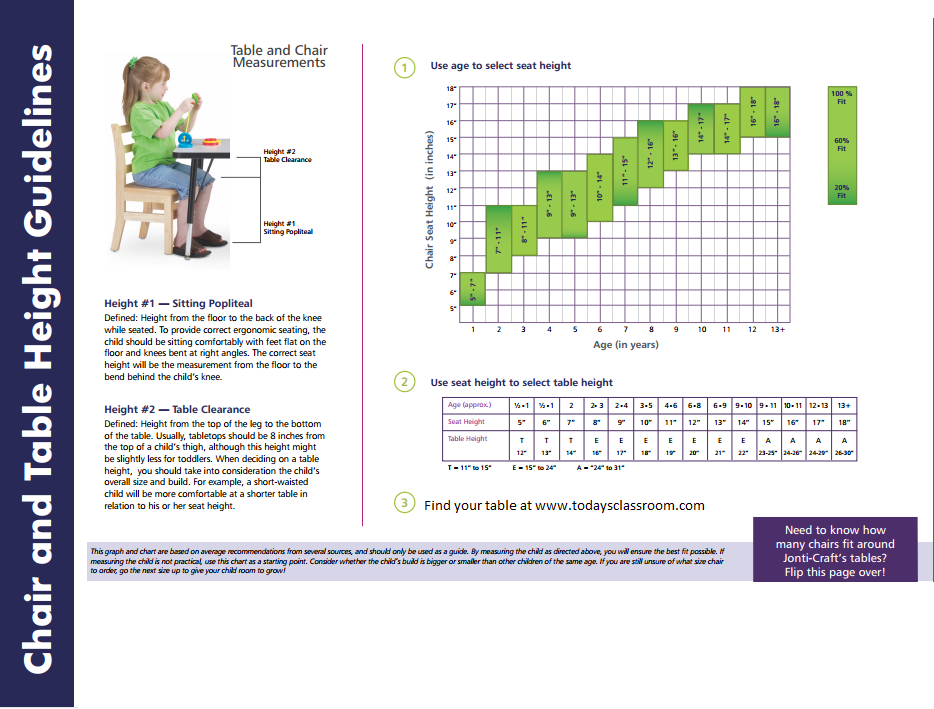
Seat height is the key measurement when selecting classroom seating because it determines how comfortably children can sit at tables.
See Seating Guidelines Here!
General Seating Recommendation
For proper ergonomics:
- Children's feet should rest comfortably on the floor.
- Knees should bend naturally.
- Students should sit upright without reaching upward toward the tabletop.
- Allow approximately 10 inches of space between the seat and the underside of the table.
Because children vary in size, age guidelines should always be used alongside student height measurements.
Types of Preschool Chairs
Different classroom environments benefit from different seating styles.
Stackable Preschool Chairs
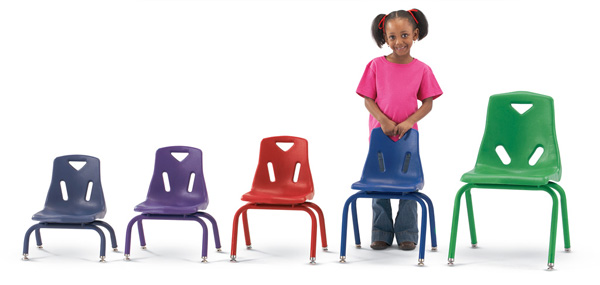
Stackable chairs are the most popular seating option for early childhood classrooms.
Benefits include:
- Easy storage
- Space-saving design
- Lightweight construction
- Simple classroom organization
- Quick cleanup
Many stack chairs can also be safely stacked on tables during floor cleaning, making them a favorite among teachers and custodial staff.
Stackable chairs are ideal for:
- Daycare centers
- Preschool classrooms
- Childcare facilities
- Multi-purpose learning spaces
Ladderback Preschool Chairs
Ladderback chairs offer a classic, traditional classroom appearance.
Features include:
- Solid wood construction
- Horizontal slat back design
- Exceptional durability
- Timeless appearance
Ladderback chairs are commonly used in:
- Montessori classrooms
- Libraries
- Reading corners
- Nature-based learning environments
- Traditional early childhood programs
Schools seeking a warm, natural aesthetic often prefer ladderback seating.
Preschool Rocking Chairs
Rocking chairs create a welcoming and comforting environment for both children and teachers.
Benefits include:
- Cozy classroom atmosphere
- Perfect for story time
- Relaxation and quiet reading
- Comfortable teacher seating
Rocking chairs are frequently used in:
- Reading centers
- Literacy corners
- Preschool libraries
- Calm-down spaces
Many models are available in either hardwood or durable plastic and steel combinations.
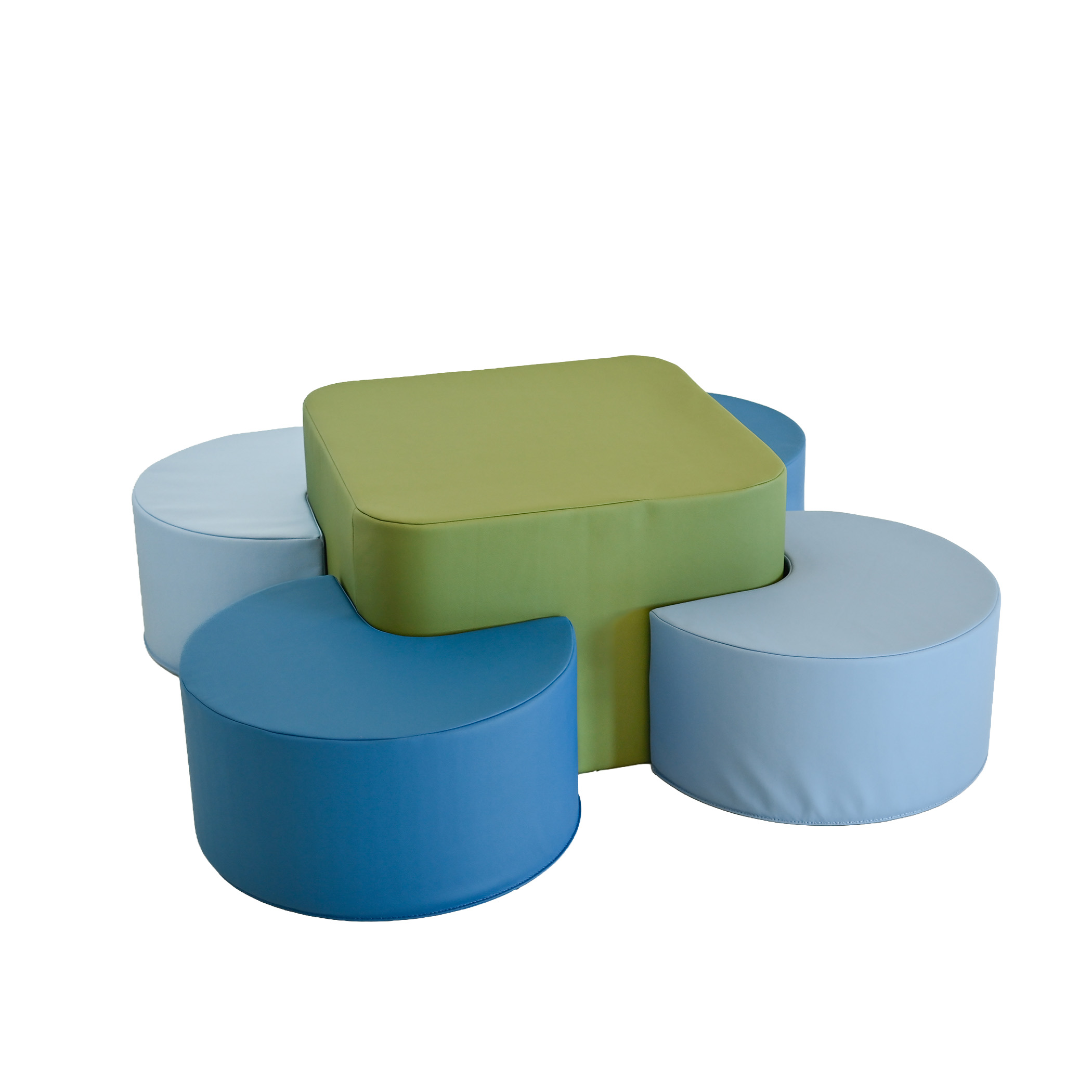 Floor Seating & Flexible Learning Spaces
Floor seating has become increasingly popular in preschool, daycare, and early childhood classrooms becuase it encourages movement, independence, and collaborative learning. Flexible seating options allow children to choose comfortable learning positions while creating more inviting and engaging classroom environment.
Common floor seaing options includes:
- Floor cushions
- Bean bag chairs
- Soft seating
- Wobble cushions
- Flexible foam cushions
- Reading nook cushions

Floor Seating can support a variety of learning activities:
- Story time
- Circle time
- Small group instruction
- Independent reading
- Sensory activities
- Collaborative learning
- Calm down spaces
- Social-emotional learning zones
Many early childhood classrooms use a combination of both floor seating and traditional chairs to create a balanced learning environment that supports different learning styles and activities.
Preschool Chair Materials
The material of your chair affects durability, comfort, maintenance, and overall appearance.
Hardwood Preschool Chairs
Hardwood seating is known for its strength and longevity.
Benefits include:
- Exceptional durability
- High weight capacity
- Classic appearance
- Long lifespan
Popular hardwood species include:
- Maple
- Oak
- Birch
Hardwood chairs are especially common in Montessori and traditional classroom settings.
Plastic Preschool Chairs
Plastic chairs are the most common seating solution for early childhood classrooms.
Benefits include:

- Lightweight construction
- Easy cleaning
- Child-friendly design
- Colorful options
- Affordable pricing
Common plastic materials include:
Polypropylene
Flexible, comfortable, and highly durable.
Polyethylene
Strong, lightweight, and resistant to daily wear.
Plastic Resin
Extremely durable and impact-resistant for high-use environments.
Plastic preschool chairs are designed to withstand years of classroom use while remaining easy for children to move independently.
Preschool Chair Colors
Color plays an important role in creating an engaging early learning environment.
Many preschool chairs are available in bright, child-friendly colors such as:
- Red
- Blue
- Green
- Yellow
- Orange
- Purple
- Teal
Benefits of colorful classroom seating include:
- Creating an inviting atmosphere
- Supporting classroom organization
- Coordinating with learning centers
- Encouraging visual engagement
Many schools use chair colors to designate groups, learning stations, or classroom activities.
Color-coordinating chairs with activity tables can also create a cohesive classroom design.
Chair Legs & Glide Options
The base of a preschool chair affects stability, durability, and floor protection.
Steel Chair Legs
Most preschool chairs feature heavy-duty tubular steel legs.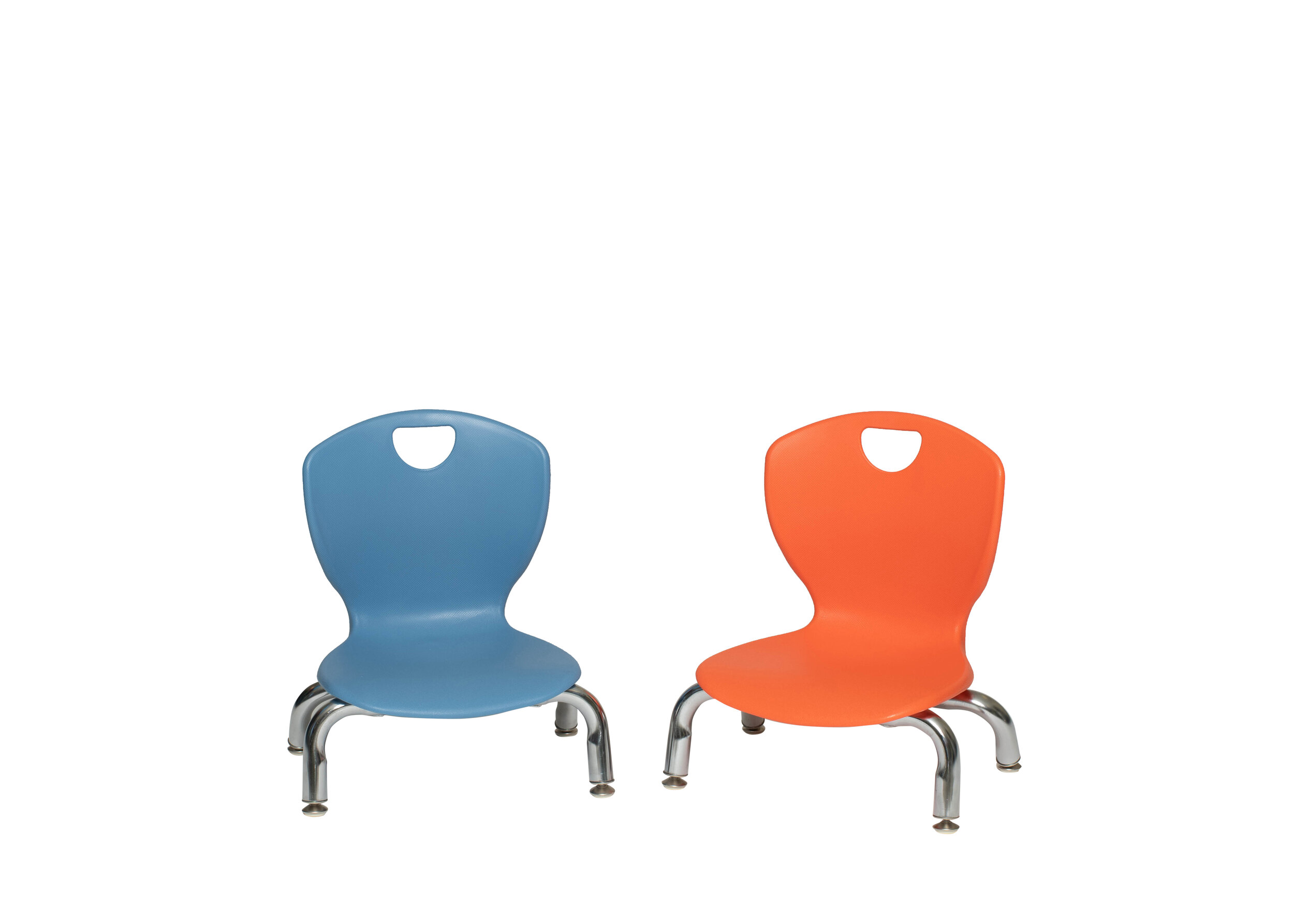
Benefits include:
- Excellent durability
- Long-lasting performance
- Resistance to bending
- Stable support
Frame finishes often include:
- Chrome
- Powder-coated steel
Powder-coated frames are available in colors that coordinate with chair seats, creating a more playful classroom appearance.
Nylon Glides
Nylon glides are the most common option for preschool seating.
Benefits include:
- Protects flooring
- Reduces scratching
- Smooth movement
- Long-lasting performance
These glides work well on most classroom flooring surfaces.
Ball Glides
Ball glides offer both functionality and style.
Benefits include:
- Smooth movement
- Color-coordinated appearance
- Enhanced classroom aesthetics
Ball glides are often paired with powder-coated chair frames for a fully coordinated look.
Choosing the Best Preschool Chairs for Your Classroom
Best for Daycares
- Lightweight stackable plastic chairs
- Easy-to-clean surfaces
- Bright color options
Best for Preschools
- Stackable chairs with powder-coated frames
- Age-appropriate seat heights
- Durable polypropylene construction
Best for Montessori Classrooms
- Hardwood ladderback chairs
- Natural finishes
- Child-sized seating
Best for Reading Corners
- Rocking chairs
- Comfortable seating options
- Cozy learning spaces
Best for Multi-Purpose Classrooms
- Stackable seating
- Lightweight materials
- Space-saving storage
Finding the Right Preschool Chairs
The best preschool chairs combine comfort, durability, safety, and age-appropriate sizing. Whether you're furnishing a daycare center, preschool classroom, childcare facility, Montessori school, or early learning environment, selecting the right seating helps support student success and creates a welcoming classroom atmosphere.

Need help selecting the right preschool chairs for your facility? Contact our furniture specialists for expert recommendations and personalized assistance.