Baby Cribs Buying Guide
How to Choose the Best Cribs for Daycares, Preschools, Nurseries & Early Childhood Centers
Selecting the right crib is one of the most important decisions when furnishing a daycare, preschool, nursery, childcare center, church nursery, or early learning facility. A quality commercial crib provides a safe sleeping environment while supporting daily childcare operations and meeting current safety standards.
Today's Classroom offers a variety of commercial cribs and nursery furniture designed specifically for childcare environments. This guide will help you compare crib types, styles, mobility options, safety features, and compliance requirements to find the best solution for your facility.

What to Consider When Buying Baby Cribs
Before purchasing cribs, consider:
- Crib type
- Crib style
- Mobility requirements
- Mattress compatibility
- Safety features
- Storage needs
- Emergency evacuation capabilities
- Federal safety compliance
Types of Commercial Baby Cribs
The best crib for your facility depends on how the crib will be used and how often it needs to be moved or stored.
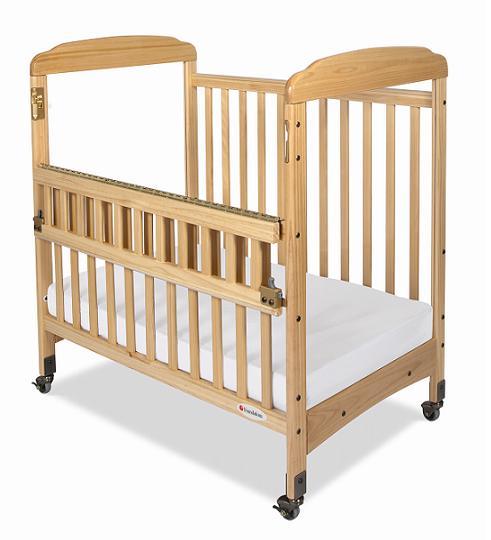
Traditional Cribs
Traditional cribs remain the most common option for daycare centers and nurseries.
Features often include:
- Fixed sides for maximum safety
- Adjustable mattress support heights
- Durable commercial construction
- Locking casters for mobility
- Long-term reliability
Many traditional cribs feature adjustable mattress positions that can be lowered as infants grow and become more mobile.
These cribs are ideal for:
- Daycare centers
- Childcare facilities
- Church nurseries
- Infant classrooms
- Early learning centers
Folding Cribs
Folding cribs are designed for facilities that need flexibility and efficient storage. This may be a good option for you if your crib needs to be transported frequently or if they aren't always in use.
Benefits include:
- Compact storage
- Space-saving design
- Easy transportation
- Quick setup and takedown
- Ideal for multipurpose spaces
Folding cribs are commonly used in childcare centers that periodically convert rooms for different activities.
Evacuation Cribs
Evacuation cribs are specially designed to assist childcare providers during emergency situations.
Features often include:
- Large evacuation casters
- Increased mobility
- High-capacity transportation
- Durable commercial construction
These cribs allow caregivers to quickly transport multiple children when emergency evacuation procedures are necessary.
Many childcare licensing agencies recommend evacuation cribs as part of emergency preparedness planning.
Nursery Furniture & Crib Accessories
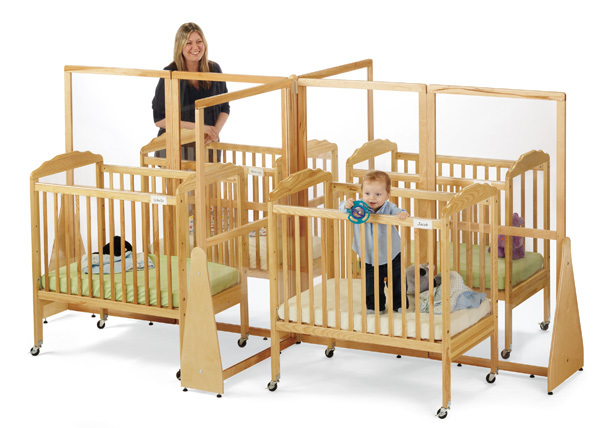
The right accessories can improve organization, efficiency, and safety throughout your childcare environment.
Popular nursery accessories include:
- Crib mattresses
- Fitted crib sheets
- Storage cabinets
- Shelving units
- Diaper changing stations
- Step stools
- Emergency evacuation kits
Selecting coordinated nursery furniture helps create a safe, organized, and efficient environment for caregivers and children.
Crib Styles
Commercial cribs are available in several styles designed to improve visibility, supervision, and durability.
Slat-Style Cribs
Slat-style cribs remain the most common crib design.
Benefits include:
- Excellent airflow
- Clear visibility
- Long-lasting durability
- Traditional appearance
Many cribs feature protective, non-toxic finishes designed to withstand everyday use in childcare environments.
Clear-View Cribs
Clear-view cribs feature transparent panels that improve visibility for both caregivers and children.
Advantages include:
- Enhanced supervision
- Increased visibility throughout the room
- Reduced visual barriers
- Modern appearance
Most clear-view panels are manufactured from durable acrylic materials designed for commercial use.
These cribs are especially popular in daycare centers and infant classrooms where caregiver visibility is a priority.
Choosing the Right Crib Casters
Mobility can be an important consideration in childcare settings.
Standard Locking Casters
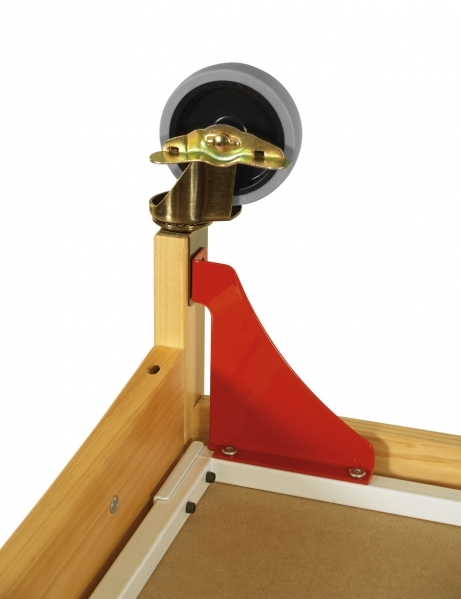
Locking casters provide:
- Easier room cleaning
- Flexible room arrangements
- Convenient repositioning
- Improved caregiver access
For safety, caster locks should always be engaged whenever the crib is occupied. Do not use these cribs around toddlers that could easily push them around.
Emergency Evacuation Casters
Emergency evacuation casters are larger and more durable than standard wheels.
Benefits include:
- Easier movement across uneven surfaces
- Improved outdoor mobility
- Faster emergency response
- Increased safety during evacuations
These heavy-duty casters are commonly found on evacuation cribs used in childcare facilities.
Crib Mattress Safety
The mattress is one of the most important components of a safe sleep environment.
When selecting a crib mattress:
- Choose a firm mattress
- Ensure a snug fit within the crib frame
- Eliminate gaps between the mattress and crib sides
- Use properly fitted sheets
- Replace damaged or worn mattresses promptly
A properly fitted mattress helps reduce entrapment hazards and supports safe sleep practices.
Safe Sleep Guidelines
Creating a safe sleep environment is essential in childcare settings.
Recommended Safe Sleep Practices
- Always place infants on their backs to sleep
- Use a firm crib mattress
- Keep the sleep area free of loose bedding
- Avoid stuffed animals and toys inside the crib
- Use fitted sheets designed for the mattress
- Follow current childcare licensing requirements
Maintaining a clutter-free sleep environment helps reduce potential hazards and supports infant safety.
Crib Safety Features to Look For
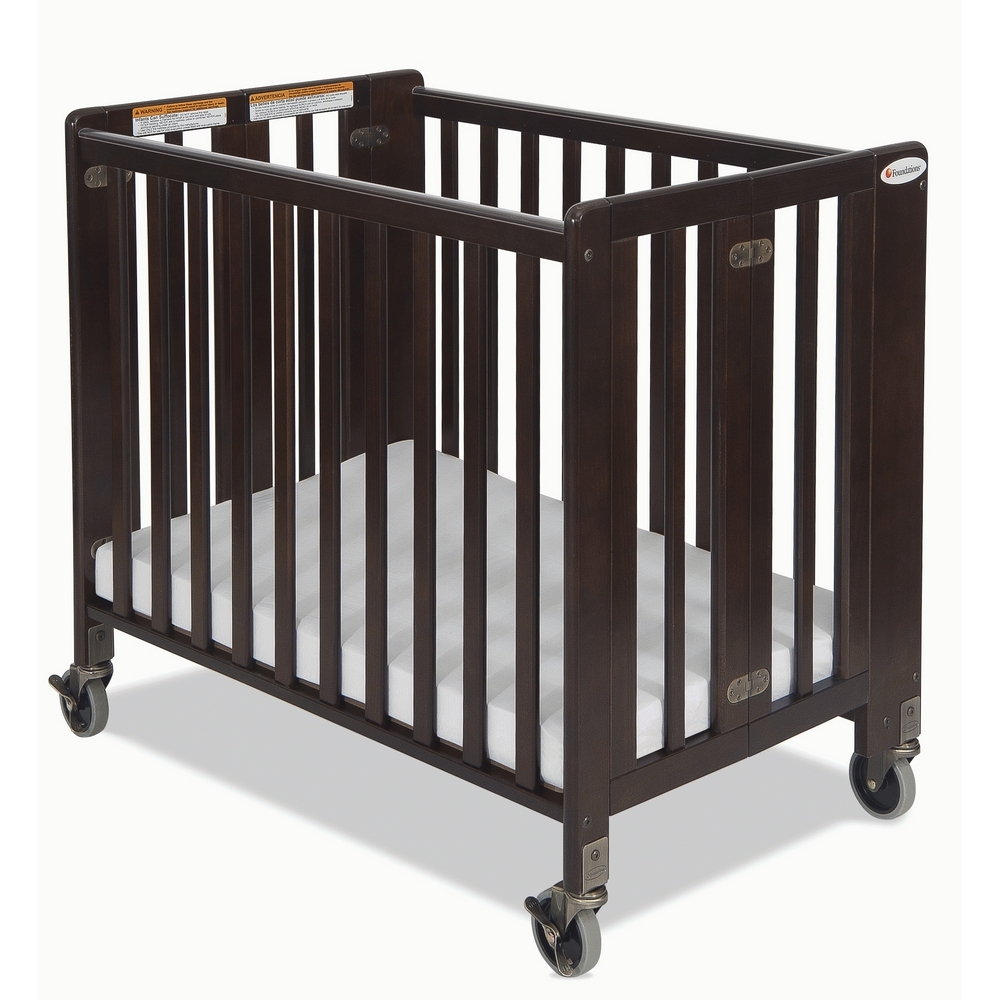
Commercial childcare cribs should include safety features designed to reduce risks and meet current standards.
Fixed-Side Construction
Current federal safety standards require fixed-side crib designs.
Benefits include:
- Improved structural integrity
- Reduced hardware failures
- Enhanced long-term safety
- Compliance with modern regulations
Fixed-side cribs have become the standard throughout childcare facilities nationwide.
Proper Slat Spacing
Crib slats should be spaced closely enough to prevent infants from becoming trapped.
Commercial cribs manufactured to current standards are designed to meet federal spacing requirements and other important safety regulations.
Durable Hardware & Construction
Look for cribs that feature:
- Heavy-duty hardware
- Commercial-grade construction
- Secure fasteners
- Durable finishes
- Long-term reliability
Routine inspections should be performed to ensure all components remain secure and in good condition.
Federal Crib Safety Regulations
Commercial cribs used in childcare facilities must comply with current federal safety standards.
The U.S. Consumer Product Safety Commission (CPSC) established enhanced crib safety requirements to improve structural integrity, mattress support systems, and overall product safety.
Important considerations include:
- Fixed-side crib construction
- Stronger mattress support systems
- Improved hardware performance
- Enhanced durability testing
- Compliance with current CPSC regulations
Childcare facilities should always verify that cribs meet current federal and local licensing requirements before purchase.
Best Cribs for Childcare Facilities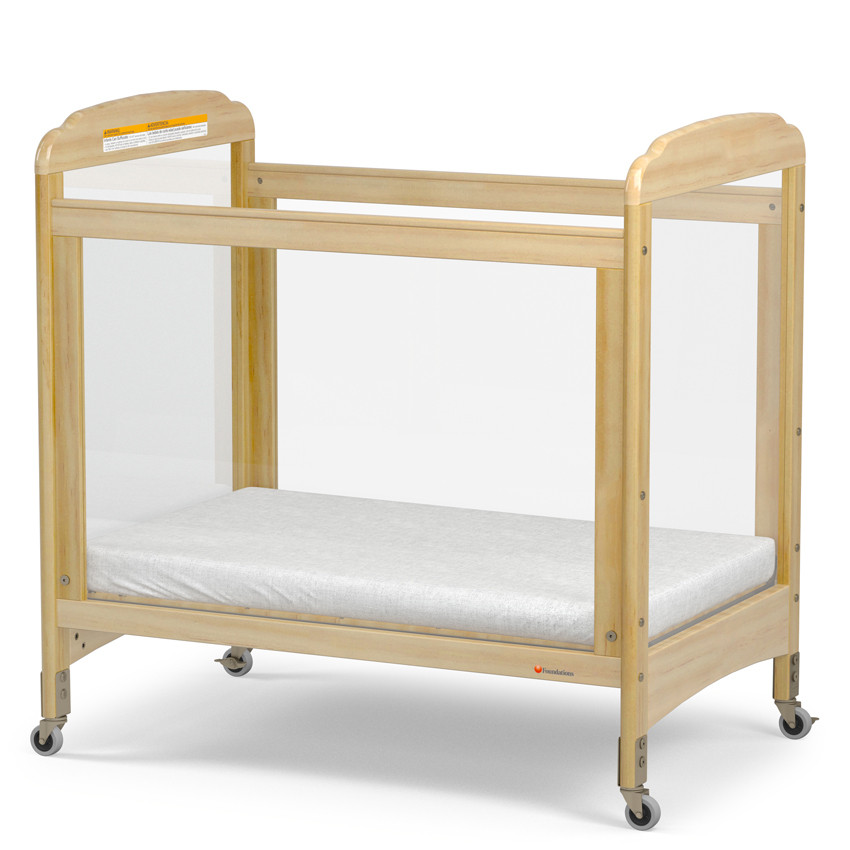
Daycare Centers
- Traditional fixed-side cribs
- Evacuation cribs
- Clear-view cribs
Church Nurseries
- Folding cribs
- Traditional cribs
- Compact nursery furniture
Infant Classrooms
- Clear-view cribs
- Commercial fixed-side cribs
- Evacuation-ready solutions
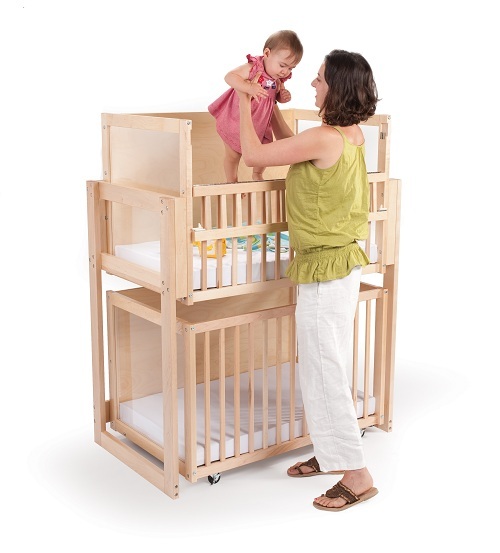
Multi-Purpose Childcare Spaces
- Folding cribs
- Mobile crib systems
- Space-saving nursery furniture
Finding the Right Cribs for Your Facility
The best commercial crib combines safety, durability, mobility, and regulatory compliance. Whether you're furnishing a daycare center, preschool, church nursery, infant classroom, or childcare facility, Today's Classroom offers commercial cribs and nursery furniture designed to support safe, comfortable sleep environments.
Need help selecting the right crib for your childcare program? Give us as call today!